

Email marketing isn’t just about sending messages; it’s a nuanced digital dialogue. Automation tools transform this chat into a smart, strategic conversation.
Picture a world where each email you send feels personal, targeted, and timely. This isn’t a distant dream—it’s the power of email marketing combined with automation at your fingertips. With every click and open, these tools learn, adjusting to ensure your message hits home every time.
They ensure no birthday goes uncelebrated, no special offer misses its mark, and no customer feels forgotten. Email marketing and automation are the dynamic duo of the digital age, keeping your audience engaged and your brand top-of-mind. So, let’s dive in and explore how this tech-savvy tag team can work wonders for your business communication strategy.
The Power Of Email Marketing
Email marketing remains a core strategy for businesses. It’s direct, cost-effective, and measurable. With the right tools, businesses can reach out to customers personally and efficiently. Let’s explore its key benefits and success stories.
Key Benefits For Businesses
- High ROI: Email marketing offers a significant return on investment.
- Targeted Campaigns: Businesses can segment their audience and personalize messages.
- Metrics to Measure: Open rates and click-through rates track performance.
- Customer Retention: Keeps your brand top of mind with regular updates.
Success Stories In Various Industries
| Industry | Company | Result |
|---|---|---|
| Retail | XYZ Fashion | 20% increase in sales |
| Technology | Alpha Tech | 30% more leads |
| Healthcare | Wellness Co. | Improved patient engagement |

Credit: www.jacobsclevenger.com
Crafting Compelling Email Content
Email marketing is a powerful tool. It helps businesses talk directly to customers. Crafting compelling email content is key. It makes readers want to open and act on your emails. Let’s dive into how to create effective email content.
Elements Of An Effective Email
Great emails share common features. They are clear, concise, and relevant. Personal touches make readers feel special. A clear call to action tells them what to do next. Good design helps, too. It makes your email easy and enjoyable to read.
Writing Subject Lines That Convert
Subject lines are crucial. They decide if an email gets opened. Keep them short and intriguing. Use action words. They create excitement and urge readers to act. Personalization works well. Include the reader’s name or other personal info. This makes your email stand out in a crowded inbox.
Building Your Email List
Building Your Email List is a cornerstone of effective email marketing. A strong list paves the way for better customer relationships and higher conversion rates. Let’s explore how to grow and maintain a robust email list.
Strategies for Subscriber GrowthStrategies For Subscriber Growth
Growing your subscriber base involves tactics that entice and retain interest. Here are proven strategies:
- Create lead magnets that offer value
- Optimize sign-up forms for ease of use
- Host webinars that require an email for access
- Use social media channels to promote sign-ups
- Offer discounts or perks for subscriptions
Maintaining List Hygiene
Keeping your email list clean is critical. It ensures high deliverability and engagement. Follow these practices:
- Regularly remove inactive subscribers
- Verify emails to prevent bounces
- Segment list to target specific groups
- Personalize content to boost relevance
- Ask for feedback to improve campaigns
Segmentation And Personalization
Email marketing thrives on two core strategies: segmentation and personalization. By breaking down your audience into smaller groups, you can tailor your messages to fit their unique needs and interests. Personalization takes this a step further, allowing you to address your customers by name, recognize their preferences, and engage with them on a more intimate level. Together, these tactics create a powerful approach to connect with your audience and drive results.
Targeting Your Audience
Knowing who you’re talking to changes everything. Group your contacts based on shared traits. Age, location, or past purchases can guide your segmentation. This approach makes sure the right eyes see the right content. Your message hits home, resonating with those it’s meant for.
Improving Engagement With Personalization
Say their name, recognize their interests, and show them you know them. Personalization is about creating a bond. It’s about crafting emails that speak directly to the reader. A personalized subject line can even make them feel your email was crafted just for them. When emails feel personal, readers listen. They click. They engage.
Automation In Email Marketing
Email marketing evolves with technology. One key player? Automation. It makes sending emails easier and more effective. Let’s dive into how automation reshapes email campaigns.
The Role Of Automation Tools
Automation tools do the heavy lifting in email marketing. They send emails for you. Day or night, they work. This means reaching out to your audience at the best times. No need for constant manual effort.
Creating Triggered Email Campaigns
Triggered emails respond to specific actions. A user signs up; they get a welcome email. They abandon a cart; they receive a reminder. This keeps your messages timely and relevant. It feels personal to the receiver. And personal feels good.
Credit: neilpatel.com
Testing And Optimization
Email marketing thrives on two key pillars: testing and optimization. To ensure campaigns hit their mark, constant evaluation and tweaking are crucial. This section dives into how to test and refine your email strategies for the best outcomes.
A/b Testing Your Emails
A/B testing, also known as split testing, is a must-do for effective email campaigns. It involves sending two versions of an email to see which performs better. Here’s how to do it right:
- Pick one variable to test at a time.
- Test on a small email list segment first.
- Analyze open rates, click-through rates, and conversions.
- Use the winning email for the larger audience.
Remember, even small changes can lead to big improvements.
Analyzing Campaign Performance
After sending emails, dive into the data. Look at key metrics to understand your campaign’s success. Metrics to watch include:
| Open Rate | Click-Through Rate (CTR) | Conversion Rate |
|---|---|---|
| Measures how many opened the email | Tracks clicks on links within the email | Gauges actions taken, like purchases |
Use this data to refine future emails. The goal: better performance each time.
Staying Compliant With Regulations
Email marketing thrives on building relationships with customers. But there’s a catch – it must follow strict rules. Staying on the right side of the law is not just good practice; it’s vital for your brand’s reputation and trust.
Understanding Gdpr And Can-spam
GDPR protects EU citizens’ data privacy. It demands consent for data use and grants people control over their information. CAN-SPAM, a US law, sets rules for commercial emails, establishes requirements for messages, gives recipients the right to stop emails, and spells out penalties for violations.
| GDPR | CAN-SPAM |
|---|---|
| Requires user consent | Regulates commercial emails |
| Allows data access and deletion | Mandates clear ‘opt-out’ options |
| Applies to all EU citizens’ data | Imposes penalties for spam |
Best Practices For Compliance
- Always get explicit consent before sending emails.
- Include a clear ‘unsubscribe’ link in every email.
- Keep records of consent and user preferences.
- Be transparent about your data collection and use.
- Ensure your email lists are clean and updated.
By following these best practices, you can build trust with your audience. Compliance is not just a legal need; it’s a sign you value your customers’ choices and privacy.
Future Trends In Email Marketing
Email marketing is evolving fast. New trends shape how we connect with readers. These changes make emails smarter and more effective. Let’s explore what the future holds.
Predictive Analytics And Ai
AI and predictive analytics are big in email marketing. They help us guess what readers like. This means we send emails that people want to read. AI looks at past emails to see what worked. It then suggests what to do next. This makes emails more personal and timely.
Integrating With Omnichannel Strategies
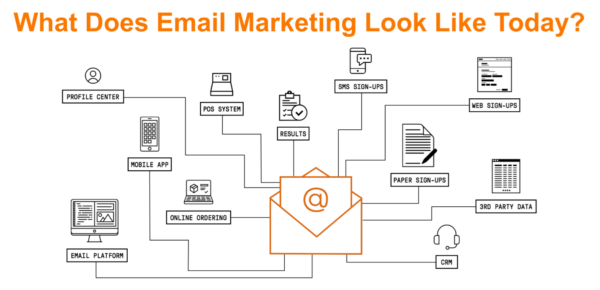
Emails are part of a bigger picture now. They work with social media, websites, and apps. This approach helps reach people wherever they are. It creates a smooth experience across all channels. Emails become a bridge, connecting different parts of your marketing.
Credit: contentmarketinginstitute.com
Frequently Asked Questions
What Is Email Marketing Automation?
Email marketing automation refers to software that automates email communication. It sends timely, personalized emails to subscribers, increasing relevance and engagement without manual effort.
How Does Automation Benefit Email Marketing?
Automation benefits email marketing by ensuring timely and relevant communication. It improves efficiency, increases engagement, and helps in segmenting and targeting specific user groups for better conversion rates.
What Are The Best Practices For Email Marketing?
Best practices for email marketing include personalizing content, segmenting your audience, keeping emails mobile-friendly, testing different subject lines, and monitoring key performance indicators to refine strategy.
Can Automation Increase Email Open Rates?
Yes, automation can increase email open rates by delivering personalized and timely content that resonates with recipients, making them more likely to open and engage with the emails.
Conclusion
Email marketing and automation tools are key for any business. They keep your audience engaged and help manage relationships effectively. With the right strategy, you’ll reach more people and save time. Remember to personalize your messages. This makes your customers feel valued.
Always track your results to know what works. Start simple and grow your email strategies over time. Keep learning and adjusting for the best outcomes. Embrace these tools today for better communication tomorrow. Your business will thank you for it.


