Navigating the sea of email campaign software can be daunting. Each option boasts unique features and benefits.
Email marketing remains a crucial strategy for businesses aiming to connect with audiences. The right software can simplify this process, offering tools for design, automation, and analysis. With countless solutions available, selecting one that aligns with your goals is key.
This introduction explores the importance of choosing suitable email campaign software. It’s vital for crafting impactful messages and reaching your target market effectively. The decision can influence your marketing success, making it essential to understand your options. Let’s delve into what makes email campaign software a cornerstone for successful digital marketing strategies.
The Rise Of Email Marketing
Email marketing has become a vital tool for businesses. It connects with audiences directly. It’s cost-effective and gives impressive returns. Let’s explore why email marketing is a top choice for marketers today.
Why Email Marketing Stands Out
Email marketing offers unmatched benefits. It’s personal and fast. You can track results in real-time. Plus, it’s easy to customize for different audiences. Here’s why it’s a winner:
- High ROI: For every dollar spent, email marketing can yield high returns.
- Personalization: Emails can target individual needs. This boosts customer engagement.
- Measurable: Analytics make it easy to measure success. You know what works.
Evolution Of Email Campaign Strategies
Email strategies have evolved. Marketers now use data to make emails more relevant. They test and learn from each campaign. This leads to better results over time.
| Year | Strategy |
|---|---|
| Early 2000s | Mass emails with the same message to all |
| Mid-2000s | Segmentation of email lists begins |
| 2010s | Personalization and automation take center stage |
| 2020s | Hyper-personalization with AI and machine learning |
Today, emails are smarter. They feel like they’re just for you. This is thanks to better tech and smarter data use. It’s clear, email marketing keeps getting better.

Credit: www.brevo.com
Choosing The Right Email Campaign Software
Choosing the right Email Campaign Software is a key step for marketing success. It helps businesses reach out to customers in an effective way. With so many options, picking one can seem hard. Yet, it’s all about finding the tool that fits your needs best.
Key Features To Look For
Email campaign software should make your work easier. Look for these features:
- Easy to use: It should be simple to set up and send emails.
- Automation: This feature sends emails automatically based on rules you set.
- Templates: Ready-made designs save you time.
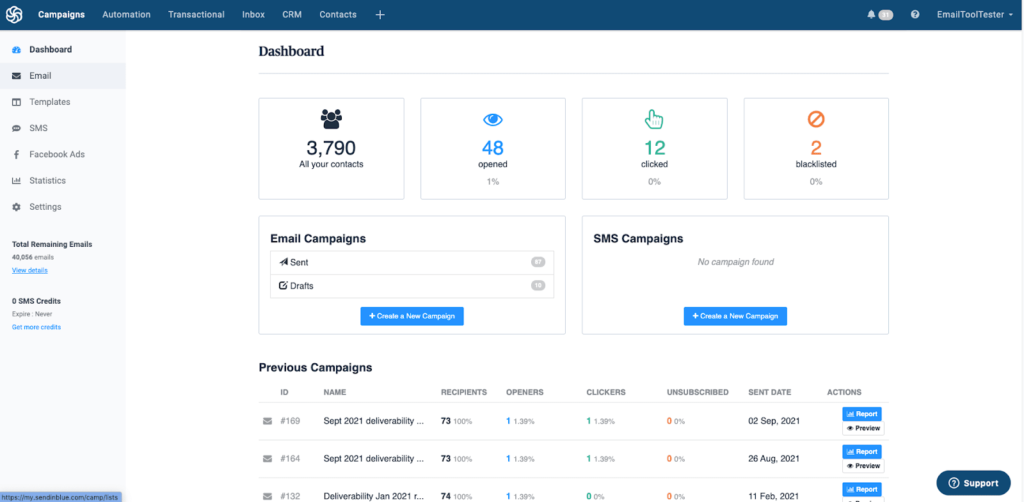
- Reporting: See how your emails are doing. Track opens, clicks, and more.
- Integration: The software should work with other tools you use.
Comparing Top Email Marketing Platforms
Different platforms offer different benefits. Let’s look at a few popular ones.
- Platform A: Great for beginners. Offers easy setup and basic features.
- Platform B: Best for automation. Helps you send targeted emails easily.
- Platform C: Ideal for design lovers. Offers beautiful templates.
- Platform D: Good for data lovers. Provides detailed reports.
Remember, the best platform for you depends on your specific needs. Test a few to find your perfect match.
Maximizing Open Rates
Want more people to open your emails? It’s all about making small, smart changes to get big results. Let’s dive into how you can see those open rates climb.
Crafting Catchy Subject Lines
Your subject line is the first impression. Make it count. Use power words that grab attention. Personalize when you can. Keep it short and sweet. A/B testing helps. Try different styles and see what sticks. Your goal? Make them curious. They should want to click.
- Ask questions: Pique interest. “Did You Miss This?”
- Use numbers: Lists are tempting. “5 Secrets to Success”
- Create urgency: FOMO works. “Last Chance to Grab This!”
Best Times To Send Emails
Timing is key. Send when your audience is checking their inbox. This varies. Test different days and times. Track the results. Early mornings and mid-week can work well. Weekends? Not so much. Check the data. Adjust accordingly.
| Day | Good Send Time | Poor Send Time |
|---|---|---|
| Monday | 6 AM | 9 PM |
| Wednesday | 12 PM | 3 AM |
| Friday | 10 AM | 8 PM |
Note: These times are just starting points. Your audience might differ. Always look at what your data tells you.
Credit: www.sender.net
Personalization Tactics
Personalization in email campaigns can significantly boost engagement. By addressing the recipient’s unique interests and behaviors, businesses foster a stronger connection. Let’s dive into how segmenting your audience and tailoring content can make a difference.
Segmenting Your Audience
Segmentation splits your audience into groups. This approach allows for more focused messaging. Start by collecting data on your subscribers. Use criteria like age, location, and past purchases to form segments. Each group should get emails that feel like they were crafted just for them.
- Demographics: Age, gender, job title
- Geographics: Country, city, climate
- Behavioral: Purchase history, website activity
Tools like analytics and surveys help gather this information. With segments in place, emails hit closer to home.
Tailoring Content For Relevance
Once you have your segments, tailor your content. The goal is to match the message with the recipient’s interests. For example, send weather-specific gear suggestions to a segment in colder regions. Personalize subject lines with the recipient’s first name to grab attention.
| Segment | Email Content Example |
|---|---|
| Young Adults | Trendy fashion deals |
| Tech Enthusiasts | Latest gadget releases |
| Travel Lovers | Exclusive getaway discounts |
Also, consider the timing of your emails. Send them when your audience is most likely to engage. Personalization goes beyond the ‘Dear [Name]’ and into the very fabric of your content. By doing so, your email campaigns will resonate more deeply and drive action.
Designing Engaging Email Content
Email campaigns are key in marketing today. To stand out, emails must grab attention. Designing engaging email content is not just about writing. It’s about creating an experience. Let’s dive into how to make emails that catch the eye and hold interest.
Using Visuals Effectively
People love pictures. A relevant image can say a lot. Use images that match your message. Too many can distract, though. Aim for one strong visual per email. This keeps readers focused. Images should load quickly too. Fast loading means people will see them without waiting.
Balancing Text And Images
Text and images must work together. Not too much text. Keep it short and sweet. Break up text with images. This makes reading easier. Choose images that help tell your story. They should add, not confuse. Aim for a smooth flow from start to end. This balance keeps readers engaged.
Automation And Workflow Optimization
Email campaign software transforms how businesses connect with their audience. Automation and workflow optimization are key. They save time and boost efficiency. Let’s explore how these tools can help.
Streamlining Campaigns With Automation
Automation makes email marketing simple. It lets you set up emails to send on their own. You create once, and it works for you round the clock. This means more time for other tasks. Imagine your emails getting to the right people at the right time. That’s what automation does.
Trigger-based Email Strategies
Trigger-based emails are smart. They respond to what your users do. Someone visits your site, they get a welcome email. A customer buys something, they receive a thank you note. It’s all automatic. This personal touch can drive sales and build loyalty.
Analyzing Campaign Performance
Email campaigns can make or break a marketing strategy. Key performance indicators (KPIs) shine a light on what works. They guide future campaigns. This section dives into essential metrics and testing strategies for email campaign success.
Understanding Key Metrics
Success in email campaigns hinges on specific metrics. Open rates tell you about subject line effectiveness. Click-through rates (CTR) measure content engagement. Conversion rates indicate the final action success. Bounce rates highlight list quality. Each metric offers insight into campaign health.
Leveraging A/b Testing
A/B testing is a powerful tool for optimization. It involves sending two variations of an email. Each version has one change. It could be the subject line, design, or call to action. This method identifies what resonates best with your audience. It helps tailor content for higher engagement. Test regularly for continuous improvement.
Staying Compliant With Regulations
Email campaign software helps businesses reach many people. It is key to know the rules. This means following laws and keeping trust with subscribers.
Navigating Gdpr And Can-spam
Two main laws matter: GDPR in Europe and CAN-SPAM in the US. Both aim to protect people’s privacy. They say you must get permission to send emails. You also must let people leave your email list easily.
- GDPR asks for clear consent to collect emails.
- CAN-SPAM requires an unsubscribe option in emails.
Using email campaign software, you can manage these requirements. The software can track consents. It can also add an unsubscribe link in every email.
Maintaining Subscriber Trust
Trust is key. People must trust you to give their email. Here are ways to keep trust:
- Send emails that match what people signed up for.
- Always include a clear way to unsubscribe.
- Keep emails relevant and interesting.
Remember, breaking trust can lead to losing subscribers. It can also break laws. Good email campaign software helps you stay on track. It keeps your emails legal and interesting. This builds a strong relationship with your audience.
Integrating With Other Marketing Tools
Email campaign software often stands at the heart of a strong marketing strategy. A powerful tool on its own, its true potential shines when integrated with other marketing resources. This synergy takes your marketing efforts to a new level.
Enhancing Crm With Email Campaigns
Combining your Customer Relationship Management (CRM) system with email campaigns creates a unified front. Personalized emails become a breeze. Your CRM stores data about your customers. Your emails use this data to connect better. It’s smart marketing.
Using Analytics For Cross-channel Insights
Email marketing generates valuable data. Pair it with analytics from other channels for a complete picture. This data helps you understand your customer’s journey. You see what works. You also see what needs change. This insight guides your next move.
Future Trends In Email Marketing
Email marketing continues to evolve with technology. Businesses now have more power to reach their customers in new, innovative ways. Let’s explore the exciting future trends shaping email marketing.
Predictive Personalization
Email campaigns are getting smarter. Predictive personalization uses data to forecast what customers want. It tailors messages to individual preferences. This means each email feels made just for the reader. It’s a leap beyond basic segmentation. Marketers can now predict needs before customers even express them.
The Role Of Ai In Email Campaigns
Artificial Intelligence (AI) is changing how we handle email campaigns. It helps create content that engages and converts. AI tools analyze user behavior to optimize send times. They even suggest subject lines likely to catch attention. This smart automation makes emails more effective without extra work. It’s like having a virtual assistant for your email strategy.
Credit: kvrwebtech.com
Frequently Asked Questions
What Is Email Campaign Software?
Email campaign software is a tool that enables users to design, send, and track branded emails. It streamlines marketing efforts by automating tasks and providing analytics.
How Does Email Campaign Software Work?
This software lets you create email lists, design messages, and send them to targeted audiences. It tracks engagement like opens and clicks, helping refine future campaigns.
Why Use Email Campaign Software?
Using email campaign software can increase efficiency and effectiveness in reaching out to customers. It provides valuable insights through data analytics to improve marketing strategies.
What Features Do Email Campaign Softwares Offer?
Most of these platforms offer templates, automation, analytics, and segmentation options to personalize and optimize email marketing campaigns for better engagement and conversion rates.
Conclusion
Choosing the right email campaign software can make a big difference. It streamlines your marketing efforts and improves communication with customers. Remember, ease of use and reliable support are key. Always pick a tool that fits your business size and needs.
Start simple, then expand as you grow. Strong email campaigns are within reach with the right software. Your next successful email blast is just a few clicks away! Ready to send those emails?